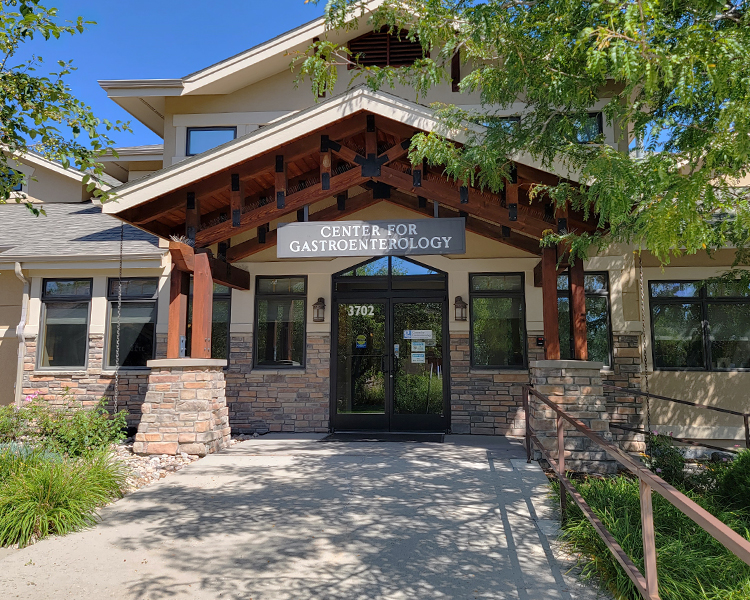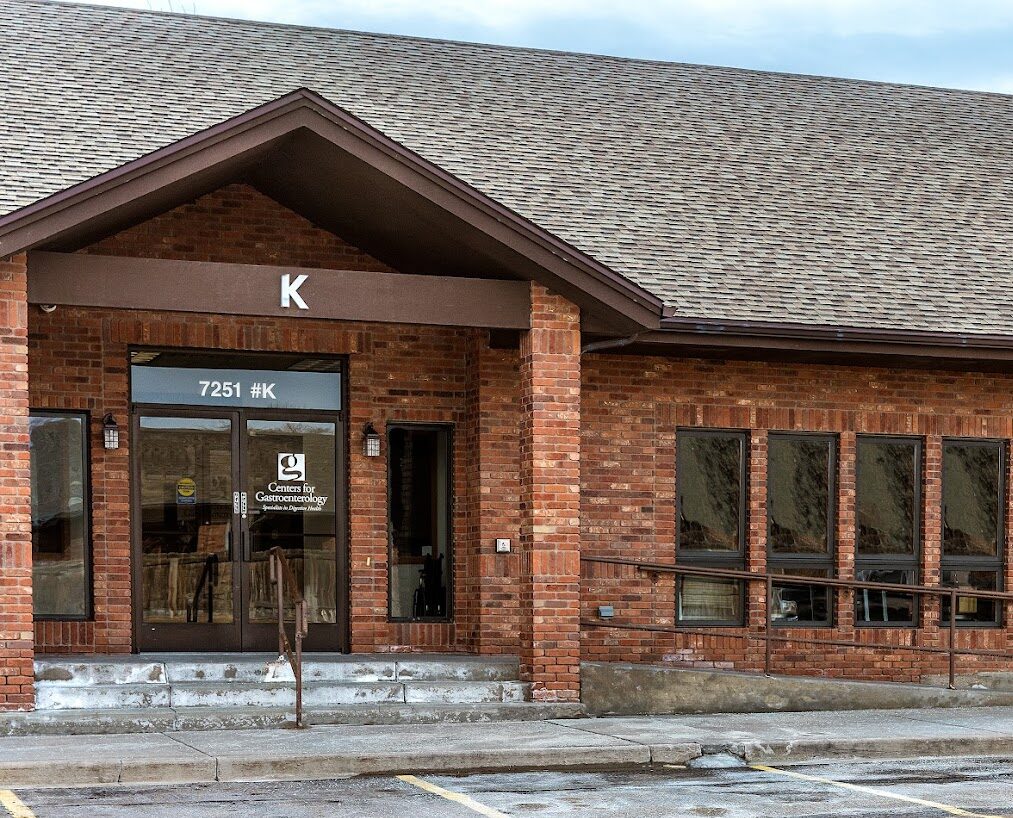
IBS food triggers are one of the most common concerns for patients managing irritable bowel syndrome, and understanding which foods may worsen your symptoms is a meaningful step toward feeling better. At Centers for Gastroenterology, our board-certified specialists help patients throughout Fort Collins, CO, and the surrounding Northern Colorado region identify their personal triggers and develop practical strategies for managing IBS through diet, lifestyle, and targeted care. This guide answers the questions we hear most often about IBS food triggers, symptoms, and what you can do to take control of your digestive health.
If you are ready to speak with a specialist, schedule an appointment with our team today.
Frequently Asked Questions About IBS Food Triggers in Fort Collins, CO
What are IBS food triggers and how do they affect digestion?
IBS food triggers are specific foods or dietary patterns that may worsen symptoms of irritable bowel syndrome, including cramping, bloating, diarrhea, and constipation. These triggers do not cause IBS itself, but they can stimulate an already sensitive gut and intensify the discomfort many patients experience. Common categories include high-fat foods, certain carbohydrates, caffeine, and alcohol. Because IBS involves a complex interaction between the gut and nervous system, even foods that are generally considered healthy may provoke symptoms in some individuals. Identifying your personal IBS food triggers is a key part of managing the condition effectively.
How does IBS affect the digestive system differently from other GI conditions?
IBS is a functional gastrointestinal disorder, meaning it affects how the bowel works rather than causing visible structural damage. Unlike inflammatory bowel disease (IBD), which involves measurable inflammation or tissue damage, IBS produces symptoms through abnormal gut motility and heightened sensitivity to normal digestive activity. This distinction is important because it shapes how the condition is diagnosed and managed. You can learn more about the differences between IBS and IBD by visiting our page on inflammatory bowel diseases in Fort Collins and Greeley, CO. A thorough evaluation from a gastroenterology specialist helps confirm which condition is contributing to your symptoms.
What foods most commonly trigger IBS symptoms?
While triggers vary from person to person, research suggests several food categories frequently contribute to IBS flares. High-FODMAP foods, including garlic, onions, apples, dairy products, and wheat-based items, may be particularly problematic because they ferment in the gut and produce gas. Fatty and fried foods can accelerate bowel activity, while caffeine and alcohol may irritate the gut lining and worsen diarrhea-predominant IBS. Artificial sweeteners, carbonated beverages, and large meal portions are also commonly associated with increased IBS food trigger responses. Identifying your specific triggers through a structured elimination approach can help you better predict and manage your symptoms.
Am I a good candidate for professional IBS management at a gastroenterology practice?
You may benefit from a professional evaluation if your digestive symptoms are frequent, significantly affecting your quality of life, or not responding to basic dietary changes. Patients who experience persistent abdominal pain, unpredictable bowel habits, or symptoms that overlap with other conditions are especially encouraged to seek a specialist’s guidance. At Centers for Gastroenterology, our providers work with patients across a wide range of symptom patterns and severity levels. If you are unsure whether your symptoms point to IBS or another condition, a consultation with one of our providers is a helpful starting point.
Who is most likely to be affected by IBS food triggers?
IBS affects people of all ages and backgrounds, though research suggests it is more commonly reported in women and often emerges in younger to middle-aged adults. Patients with a history of gastrointestinal infections, high stress levels, or a family history of IBS may be at higher risk. In Northern Colorado, many patients come to Centers for Gastroenterology after managing symptoms on their own for years without a clear diagnosis. Recognizing that IBS food triggers are a legitimate part of a recognized medical condition, not a personal failing, is an important part of beginning appropriate care.
What should I expect at my first appointment for IBS at Centers for Gastroenterology?
Your first visit will typically involve a detailed conversation about your symptoms, medical history, and dietary habits. Your provider may ask about your bowel patterns, any foods you have already identified as problematic, and how long you have been experiencing discomfort. Depending on your history, additional diagnostic testing may be recommended to rule out other conditions before confirming an IBS diagnosis. To make the most of your visit, consider completing your patient forms ahead of time. The goal of this first appointment is to listen carefully and begin building a care plan that reflects your individual experience with IBS food triggers.
How long does it take to identify personal IBS food triggers?
The process of identifying IBS food triggers is gradual and varies by individual. A structured low-FODMAP elimination diet, often guided by a provider or registered dietitian, typically takes six to eight weeks. During this time, suspected trigger foods are removed and then reintroduced one at a time to observe your body’s response. Keeping a detailed food and symptom journal can help speed up this process. Your care team at Centers for Gastroenterology can help you interpret your patterns and refine your approach over time, rather than relying on guesswork or overly restrictive eating.
Do you serve patients from Loveland, Greeley, and other Northern Colorado communities?
Yes. Centers for Gastroenterology serves patients throughout Northern Colorado, including those traveling from Loveland, Greeley, Windsor, and the surrounding region. Our practice has a location in Loveland, making it convenient for patients who want specialized GI care without driving to a larger metro area. Many patients managing chronic conditions like IBS find it valuable to have a dedicated digestive health practice nearby that understands the specific needs of Northern Colorado families. Visit our locations page for address details and directions.
What makes Centers for Gastroenterology different for IBS care in Fort Collins?
Centers for Gastroenterology is a dedicated digestive health practice, meaning every provider on our team focuses exclusively on gastrointestinal conditions. This specialization allows us to offer a higher level of expertise for complex conditions like IBS compared to a general internal medicine setting. Our collaborative provider model means patients benefit from multiple perspectives and a coordinated approach. We also provide access to advanced diagnostics and procedures if testing is needed to rule out other conditions. For patients living with IBS food triggers, this focused, end-to-end approach often results in a more accurate diagnosis and a more effective long-term management strategy.
What factors affect the cost of IBS evaluation and care?
The cost of IBS care at Centers for Gastroenterology depends on several factors, including the type and number of diagnostic tests recommended, the complexity of your symptoms, and your individual insurance coverage. An initial consultation is typically billed at an office visit level, while additional procedures or lab work may be billed separately. We encourage patients to review their coverage in advance by visiting our insurance and billing page or speaking with our staff. Financing options may be available, and we are happy to discuss your situation during your consultation to help you plan ahead.
What is the recovery or downtime like for diagnostic procedures related to IBS?
Most consultative visits for IBS involve no recovery time at all, as the initial evaluation is conversational and non-procedural. If diagnostic testing such as a colonoscopy or upper endoscopy is recommended to rule out other conditions, the recovery period is typically brief. Most patients resume normal activity within a day. You can review preparation instructions and what to expect by visiting our procedures and prep page. For the majority of IBS patients, day-to-day management centers on diet, lifestyle, and in some cases medication, none of which involves significant downtime.
Is it safe to manage IBS food triggers through diet alone, or should I always see a doctor?
While many patients do experience some relief through dietary changes, it is important to consult with a qualified provider before assuming your symptoms are due solely to IBS food triggers. Some symptoms, such as unintended weight loss, rectal bleeding, or severe abdominal pain, may signal a more serious underlying condition that requires prompt evaluation. A gastroenterologist can help confirm your diagnosis and ensure you are not inadvertently avoiding necessary care. The IBS treatment page on our website provides additional detail about the diagnostic process and available management approaches. Individual results may vary, and your provider will tailor recommendations to your specific history and symptoms.
Why Choose Centers for Gastroenterology for IBS Food Triggers in Fort Collins?
Centers for Gastroenterology is a dedicated digestive health practice serving patients throughout Fort Collins, Loveland, Greeley, and the broader Northern Colorado region. Our board-certified specialists bring focused expertise to conditions like IBS, offering a comprehensive approach that combines in-office consultations, advanced diagnostics, and minimally invasive procedures when needed. Because our practice is devoted exclusively to gastrointestinal care, patients receive a level of specialization that general medical groups are often not able to provide. Whether you are newly experiencing IBS food triggers or have been managing symptoms for years without clear answers, our team is committed to supporting you with personalized, evidence-informed care. We welcome you to explore our support groups and resources and our patient education blog as part of your journey.
Ready to Take the Next Step?
If IBS food triggers are affecting your daily life, you do not have to navigate this alone. The team at Centers for Gastroenterology in Fort Collins, CO, is here to help you find answers and develop a care plan tailored to your needs. Call us or schedule an appointment online to connect with a specialist today.