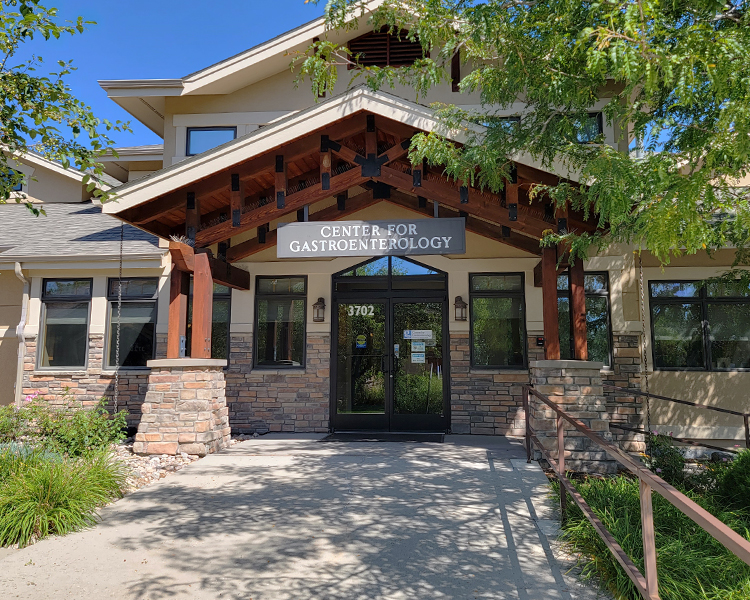



If you are living with Crohn’s disease or recently received a diagnosis, finding clear, trustworthy answers to your questions is one of the most important first steps you can take. This Crohn’s disease treatment FAQ covers the questions our gastroenterology team at Centers for Gastroenterology hears most often, from what Crohn’s disease is and how it is diagnosed, to what treatment options may be available and what to expect during your care in Fort Collins, CO. Our board-certified specialists are here to support you with compassionate, personalized digestive care every step of the way. Contact Centers for Gastroenterology to schedule a consultation with our team in Northern Colorado.
Frequently Asked Questions About Crohn’s Disease Treatment in Fort Collins, CO
What is Crohn’s disease?
Crohn’s disease is a chronic inflammatory bowel disease that causes inflammation in the digestive tract, most commonly affecting the small intestine and the beginning of the large intestine, though it can involve any part of the GI system. Symptoms may include abdominal pain, persistent diarrhea, fatigue, unintended weight loss, and changes in bowel habits. Crohn’s disease is a lifelong condition, but with proper management, many patients can reduce symptoms and maintain a good quality of life.
How does Crohn’s disease treatment work?
Crohn’s disease treatment focuses on reducing inflammation, managing symptoms, and helping patients achieve and maintain remission. Depending on the severity and location of inflammation, a provider may recommend medications such as anti-inflammatory drugs, immune system suppressors, or biologics. Dietary adjustments, nutritional support, and lifestyle modifications may also play a role in managing flares. Because Crohn’s disease affects each patient differently, a personalized treatment plan developed with a board-certified gastroenterologist is essential for effective long-term care.
What conditions can be associated with Crohn’s disease?
Crohn’s disease is part of the broader category of inflammatory bowel diseases and can be associated with complications affecting the intestines, joints, skin, and eyes. Patients may also experience complications such as strictures, fistulas, or abscesses in more advanced cases. Some patients with Crohn’s disease have a higher risk of developing colorectal changes over time, which is why routine monitoring is important. Our team manages a wide range of related concerns, including intestinal and rectal diseases that may develop alongside or in connection with Crohn’s.
Am I a good candidate for Crohn’s disease treatment?
If you have been diagnosed with Crohn’s disease, or if you are experiencing persistent digestive symptoms such as chronic diarrhea, abdominal cramping, or unexplained weight loss, you may benefit from a thorough evaluation. Candidates for structured Crohn’s disease treatment include newly diagnosed patients seeking a care plan and those whose current regimen is no longer controlling symptoms effectively. A consultation with a gastroenterologist is the right starting point for assessing your specific situation and discussing which treatment approaches may be appropriate for you. Individual results and responses to treatment vary.
Who is Crohn’s disease treatment right for?
Crohn’s disease treatment is appropriate for patients of any age who have received a confirmed diagnosis and are looking for ongoing disease management. It is also relevant for patients experiencing a flare after a period of remission, or those who have been managing symptoms on their own and are ready to explore a more comprehensive care plan. Our team at Centers for Gastroenterology works with patients across a wide range of disease presentations, from mild cases to more complex, longstanding Crohn’s disease.
What should I expect at my first Crohn’s disease consultation?
At your first appointment, your provider will review your medical history, current symptoms, and any prior test results or treatments you have received. They may order blood work, stool tests, or imaging to better understand the extent and location of inflammation. In many cases, a colonoscopy or upper endoscopy may be recommended to directly visualize the GI tract and obtain tissue samples if needed. You will have the opportunity to ask questions and discuss your treatment goals before any decisions are made.
How long does Crohn’s disease treatment take?
Crohn’s disease is a chronic condition, so treatment is generally ongoing rather than a single course of care. The timeline for noticing symptom improvement varies depending on the treatment approach, the severity of the disease, and the individual’s response to therapy. Some patients may experience symptom relief within weeks of starting a new medication, while others may require longer to reach remission. Your gastroenterologist will monitor your progress and adapt your plan as needed to support the best possible outcomes over time.
How long do results from Crohn’s disease treatment last?
With consistent treatment and monitoring, many patients are able to maintain periods of remission that last months to years. However, Crohn’s disease is known for its pattern of flares and remission, which means that ongoing management, follow-up appointments, and occasionally adjusting your treatment plan are all part of long-term care. Staying engaged with your gastroenterology team, keeping scheduled follow-up visits, and reporting new or changing symptoms promptly can help extend periods of remission. Individual results vary significantly based on disease severity, treatment adherence, and overall health.
Why Choose Centers for Gastroenterology for Crohn’s Disease Treatment?
Centers for Gastroenterology is a specialty practice dedicated entirely to digestive health, bringing a level of focused expertise that general practices are not positioned to offer. Our board-certified gastroenterologists in Fort Collins and Northern Colorado combine advanced diagnostic capabilities with a collaborative, patient-centered approach to managing conditions like Crohn’s disease. From your first consultation through long-term disease management, you will have access to experienced providers, state-of-the-art procedures, and the kind of continuity of care that complex chronic conditions require. We take the time to understand your experience, answer your questions, and build a treatment plan that reflects your individual needs and goals.
Schedule a Crohn’s Disease Consultation in Fort Collins, CO
You deserve clear answers and a care team that takes your digestive health seriously. If you are looking for experienced Crohn’s disease treatment in Fort Collins, CO, Centers for Gastroenterology is ready to help. Contact our team online to request your consultation. Our Northern Colorado specialists are here to support you.