Many people first hear the word “diverticulosis” in a colonoscopy report, then search for it and land on frightening articles about diverticulitis. The two words sound almost identical, but they describe very different situations. One is usually a harmless finding. The other can mean days of pain and, occasionally, a trip to the emergency room.
Here is how the gastroenterologists at Centers for Gastroenterology explain the difference to patients in Fort Collins, Loveland and Greeley, along with what to eat, what to watch for and when to get help.
Pouches Versus Inflammation
Diverticulosis
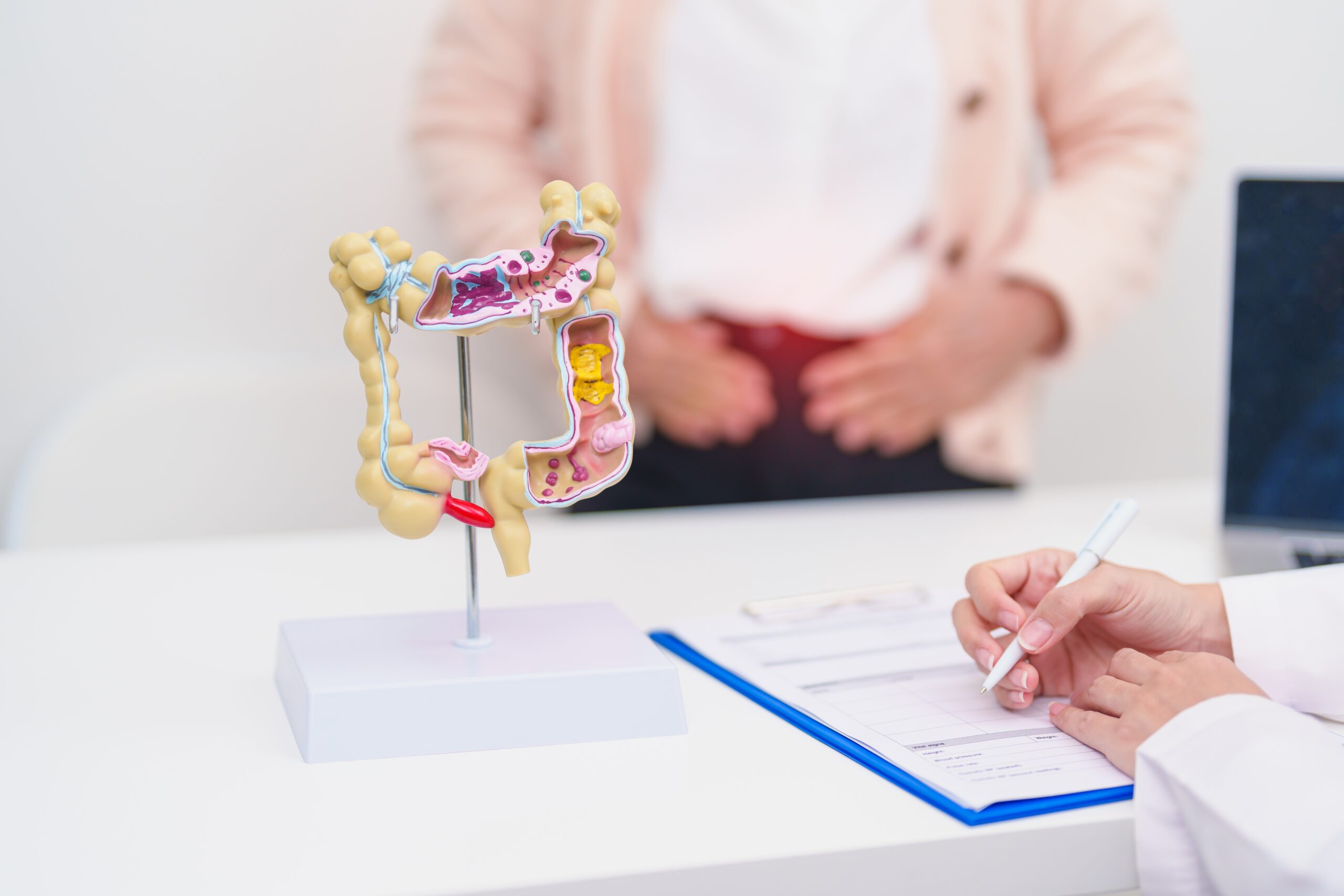
Diverticulosis means small pouches, called diverticula, have formed where weak spots in the colon wall bulge outward. It becomes more common with age and is often found during a colonoscopy done for another reason. Most people with diverticulosis never have symptoms and never need treatment beyond healthy habits.
Diverticulitis
Diverticulitis happens when one or more of those pouches becomes inflamed or infected. Episodes can be mild enough to manage at home under a physician’s guidance, or serious enough to cause an abscess, a tear in the colon wall or a blockage. Only a minority of people with diverticulosis ever develop diverticulitis.
Both fall under the broader group of diverticular disease, which our team treats as part of our intestinal and rectal disease care.
Symptoms Side by Side
Diverticulosis usually causes no symptoms. Some people notice mild bloating or cramping, though those complaints often have other causes. Painless bleeding from a diverticulum is uncommon but possible, and any rectal bleeding should be evaluated.
Diverticulitis tends to announce itself. Typical signs include:
- Pain, often in the lower left abdomen, that lasts rather than coming and going
- Tenderness when pressing on that area
- Fever or chills
- Nausea, loss of appetite or vomiting
- Constipation or, less often, diarrhea
Because these symptoms overlap with other conditions, including infections, irritable bowel syndrome and inflammatory bowel disease, a proper evaluation matters. Our general GI conditions page describes how similar symptoms can point to different problems.
Who Is More Likely to Develop It
Diverticular disease becomes more common with age, and several factors appear to raise the risk:
- A diet low in fiber and high in red meat or processed foods
- Carrying excess weight
- Low physical activity
- Smoking
- Regular use of certain medications, including some anti-inflammatory pain relievers, steroids and opioids
Some of these are outside your control, but fiber, activity and not smoking are changes that can lower the odds of a first episode or a repeat one.
How an Episode Is Diagnosed and Treated
When diverticulitis is suspected, your physician will ask about your symptoms and examine your abdomen. Blood work can show signs of infection or inflammation, and a CT scan is commonly used to confirm the diagnosis and check for complications such as an abscess. A colonoscopy is not done during an active flare, because the inflamed colon needs time to heal first.
Treatment depends on how severe the episode is:
- Mild, uncomplicated episodes are often managed at home with rest and a temporary liquid or low-fiber diet. Antibiotics may or may not be prescribed, depending on your situation.
- More serious episodes may need a hospital stay for intravenous fluids and antibiotics, and an abscess may need to be drained.
- Repeated or complicated episodes may lead to a discussion about surgery to remove the affected section of colon.
Most people with a mild episode recover well with the right care. Your physician will explain which approach fits your case and what to watch for while you heal.
Eating Through Each Phase
Diet advice changes depending on where you are.
During a flare, your physician may recommend clear liquids or a low-fiber diet for a short time to let the colon rest, along with any medication they prescribe.
As symptoms ease, foods are usually reintroduced gradually, starting with softer, lower-fiber choices.
Once you are recovered, a diet rich in fiber from fruits, vegetables, beans and whole grains is generally encouraged, along with plenty of water and regular activity. Older advice to avoid nuts, seeds and popcorn has largely been dropped, since research has not shown that these foods cause flares. Your gastroenterologist can tell you whether any restrictions still apply to you.
Red Flags That Need Same-Day Care
Go to an emergency department or call your physician right away if you have:
- Severe or worsening abdominal pain
- A high fever or shaking chills
- Vomiting that keeps you from holding down fluids
- A rigid or swollen abdomen
- Significant rectal bleeding
These can be signs of a complication that needs prompt treatment.
Why a Colonoscopy Often Follows an Attack
After an episode of diverticulitis settles, many patients are advised to have a colonoscopy, typically several weeks later once the inflammation has healed. The goal is to confirm the diagnosis and make sure nothing else, such as a polyp or cancer, is causing similar symptoms, especially if you are not up to date on screening. Learn more about how the procedure works on our colonoscopy page.
Follow-up is also the time to talk about preventing future episodes. For people with repeated or complicated attacks, your gastroenterologist may discuss whether a surgical consultation makes sense.
Talk Through Your Diverticular Questions With a Specialist
If a colonoscopy report mentioned diverticulosis, or you are recovering from an episode of diverticulitis, our gastroenterologists can help you understand what it means for you. Call the office closest to you: Fort Collins, Loveland or Greeley. You can also view all of our locations.