

Endoscopic Retrograde Cholangiopancreatography, or ERCP, is a specialized procedure used by gastroenterologists to diagnose and treat problems in the bile ducts, pancreas, and gallbladder. If your doctor has recommended an ERCP, understanding what it treats, how it works, and what to expect can help you feel more confident and prepared.
What Conditions Does ERCP Treat
ERCP is a versatile procedure often used to manage several digestive health conditions, including:
- Bile duct blockages or stones – When gallstones or other obstructions block the flow of bile, ERCP can remove them safely.
- Pancreatic duct issues – Narrowed or blocked pancreatic ducts can cause pain, inflammation, or pancreatitis, which ERCP can help address.
- Biliary strictures or leaks – ERCP can identify and treat narrowing or leaks in the bile ducts after surgery or due to disease.
- Tumors or growths – Small tumors in the bile or pancreatic ducts can sometimes be diagnosed or managed with ERCP.
This procedure can be both diagnostic and therapeutic, meaning it not only identifies problems but often treats them during the same session.
How ERCP Works
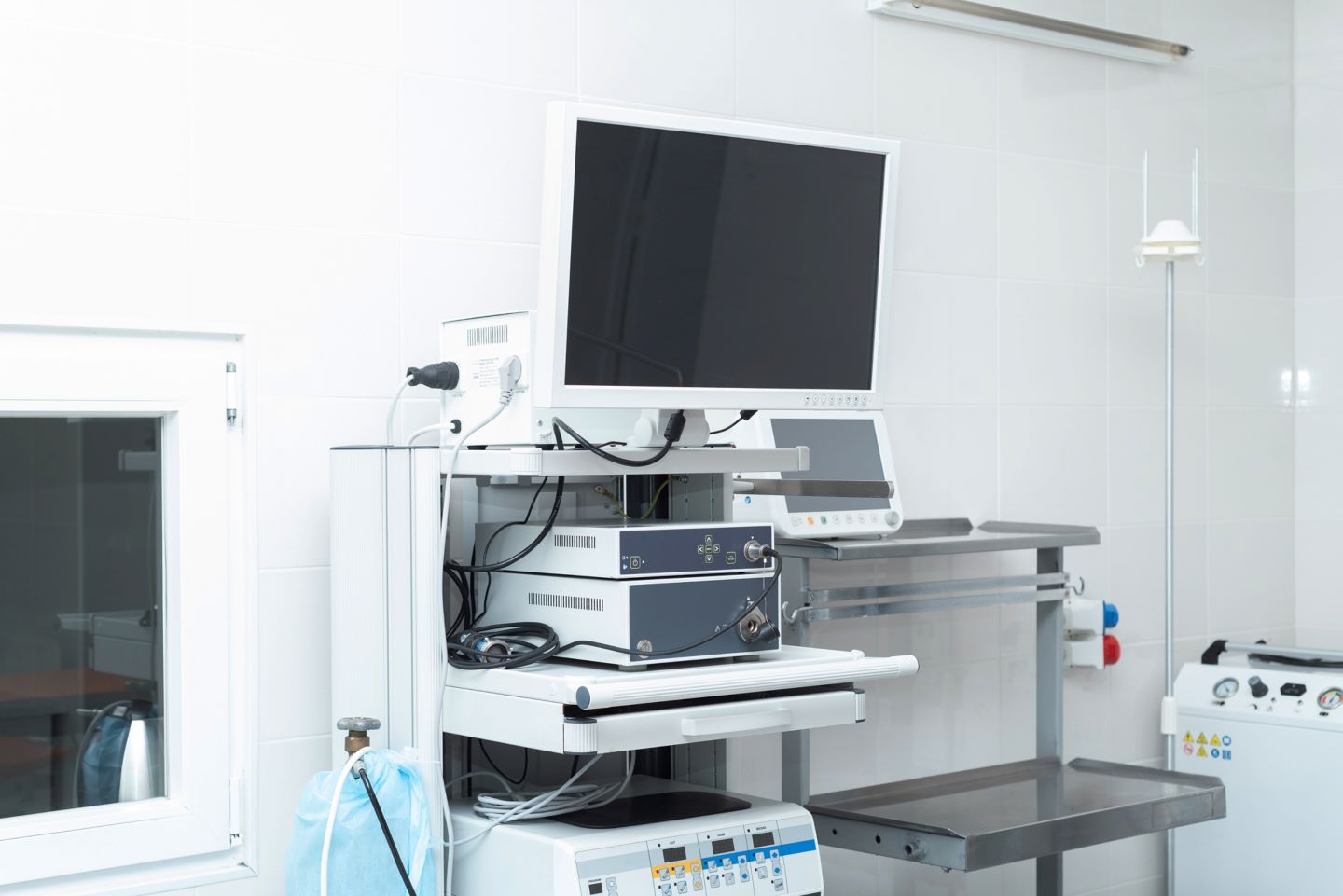
ERCP combines endoscopy and X-ray imaging to reach the bile and pancreatic ducts. Here’s what happens during a typical procedure:
- Preparation – Patients are usually asked to fast for several hours before the procedure. Your doctor may review medications and provide instructions to ensure safety.
- Sedation – ERCP is performed under conscious sedation or anesthesia, so you remain comfortable and relaxed throughout.
- Endoscopy – A flexible tube with a camera (endoscope) is gently guided through the mouth, down the esophagus, and into the small intestine.
- Contrast Dye and Imaging – A special dye is injected into the bile and pancreatic ducts, allowing X-ray imaging to reveal blockages, narrowing, or stones.
- Treatment – If an issue is found, your gastroenterologist can perform treatments such as removing stones, placing stents, or taking tissue samples.
Most procedures take between 30 minutes and an hour, depending on the complexity.
What to Expect Before and After the Procedure
Before ERCP:
- Follow your doctor’s fasting instructions carefully.
- Discuss any medications, allergies, or existing medical conditions.
- Arrange for someone to drive you home after the procedure, as sedation can impair alertness.
After ERCP:
- You may experience mild throat soreness, bloating, or cramping, which usually resolves within a day.
- Your gastroenterologist will provide specific aftercare instructions, including diet and activity recommendations.
- Rare complications, such as pancreatitis or infection, are possible. Immediate medical attention is recommended if you experience severe abdominal pain, fever, or vomiting.
Why ERCP Is Important
ERCP is a minimally invasive procedure that allows doctors to quickly identify and treat serious digestive conditions without surgery. Early detection and treatment of bile duct or pancreatic issues can prevent complications, reduce symptoms, and improve overall digestive health.
If your doctor recommends an ERCP, understanding the procedure can help reduce anxiety and ensure you are fully prepared. From diagnosing bile duct blockages to treating pancreatic problems, ERCP is a valuable tool in gastroenterology for maintaining digestive health.
Schedule a Consultation
If you or a loved one are experiencing symptoms like persistent abdominal pain, jaundice, or unexplained digestive issues, contact our gastroenterology center today to learn if ERCP is the right option. Our team at Centers for Gastroenterology is here to provide expert care and guide you through every step of the process.