

If your provider has recommended an upper endoscopy or colonoscopy, you may feel unsure about what these procedures involve. At Centers for Gastroenterology in Loveland, Greeley, and Fort Collins, CO, we understand this can feel overwhelming. Our goal is to provide clear and reassuring information so you know what to expect.
Both upper endoscopy and colonoscopy are important tools for maintaining digestive health. They use similar technology but focus on different areas and serve different purposes.
When You May Need an Upper Endoscopy
An upper endoscopy can help evaluate symptoms in the upper digestive tract such as persistent heartburn, difficulty swallowing, nausea, vomiting, or unexplained abdominal pain. During the procedure, your provider uses a thin flexible tube with a camera that is gently inserted through your mouth while you are comfortably sedated. This allows a close look at the esophagus, stomach, and the beginning of the small intestine. Your doctor may also take tissue samples or treat certain concerns during the exam. Recovery is usually quick and most patients return to their normal activities later the same day. Learn more on our [upper endoscopy page].
When a Colonoscopy is Recommended
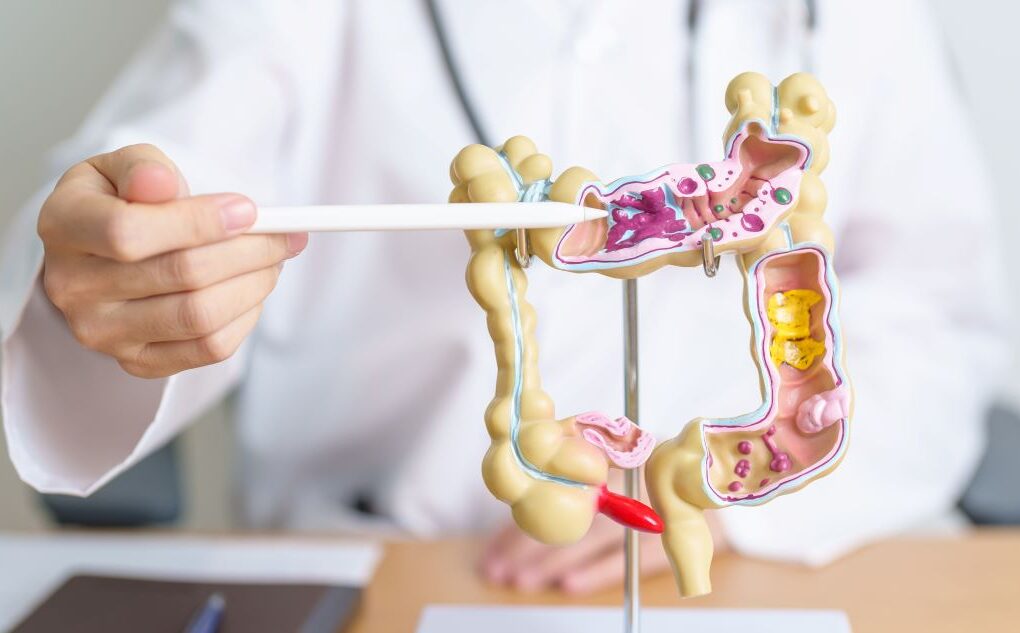
A colonoscopy examines the colon and rectum. Your provider may suggest this procedure to screen for colon cancer, investigate ongoing digestive issues, or remove polyps. A colonoscope is guided through the rectum to provide a clear view of the lower digestive system. Sedation is given for comfort and the exam is usually brief. Preparation is more involved than for an upper endoscopy because the colon must be completely clear. This involves following a special diet and taking prep medication before the procedure. Some bloating or mild cramping may occur afterward but most patients return to their usual routine the following day. Read more on our [colonoscopy page].
Key Differences Between the Two Procedures
Even though both procedures use a small camera, they are used for different reasons. Upper endoscopy focuses on the esophagus, stomach, and duodenum to help diagnose or treat issues such as pain, bleeding, or swallowing problems. Colonoscopy looks at the colon and rectum to detect or remove polyps, investigate abdominal pain, or monitor chronic bowel changes.
Preparation also varies. Upper endoscopy usually requires fasting for a few hours while colonoscopy requires a full bowel cleanse with dietary instructions and medication. After either procedure you will need someone to drive you home and it is recommended to rest for a short time.
Recovery and Support
Recovery is generally straightforward. A sore throat from an upper endoscopy or mild bloating after a colonoscopy often clears within hours. Providers review results promptly and answer any questions while guiding you through next steps for your care.
At Centers for Gastroenterology, our team works to make your experience as comfortable and reassuring as possible. Whether you are preparing for an upper endoscopy or colonoscopy or simply looking for answers about your digestive health, you can feel confident knowing you are in experienced and compassionate hands.
If you have questions about your digestive symptoms or want more details about these procedures, schedule an appointment today through or contact us directly. Your digestive health matters and getting clear answers is the first step toward feeling your best.