

Why Choose Colonoscopy: Benefits and Results for Colorectal Cancer Screening
If you are researching colorectal cancer screening options in Fort Collins, CO, understanding why colonoscopy remains the most widely recommended tool for early detection is an important first step. Colorectal cancer is the third leading cause of cancer-related deaths in the United States, yet it is also one of the most preventable when caught at an early stage. This guide covers the full picture of colonoscopy: how it works, what it detects, how it compares to other screening tests, what bowel preparation involves, how to evaluate your personal risk factors, and what to expect before and after the procedure. Whether you are approaching the standard screening age or have been advised to undergo a colonoscopy at a younger age due to your family history or symptoms, this resource will give you the clarity you need to move forward with confidence.
If you would like to discuss your screening options with a specialist, contact Centers for Gastroenterology at (970) 378-1414.
What Is Colorectal Cancer and Who Is at Risk?
Colorectal cancer develops in the colon and rectum, which together make up the lower portion of the digestive system. The large intestine plays a critical role in processing waste before it leaves the body, and abnormal cell growth along the colon wall can eventually lead to cancer if left undetected. According to the American Cancer Society, colorectal cancer is one of the most commonly diagnosed cancers among both men and women in the United States, contributing significantly to cancer-related deaths each year.
Understanding colorectal cancer incidence begins with recognizing that most cases do not develop overnight. Colorectal cancer typically starts as small, noncancerous growths called precancerous polyps on the inner lining of the large intestine. These polyps may take years to develop into cancer, which is why regular screening for colorectal cancer is so effective at interrupting that progression.
Risk Factors for Colorectal Cancer
Several risk factors can increase the likelihood of developing colorectal cancer. Age is among the most significant, with the majority of diagnoses occurring in individuals over 45. However, colorectal cancer incidence among younger adults has been rising, which has prompted updated screening recommendations. A family history of colorectal cancer or precancerous polyps also meaningfully elevates your risk, particularly if a first-degree relative was diagnosed before age 60.
Genetic syndromes such as familial adenomatous polyposis and Lynch syndrome can substantially raise the risk of colorectal cancer and often warrant screening at a younger age and with greater frequency. Conditions involving inflammatory bowel disease, including Crohn’s disease and ulcerative colitis, are also associated with an elevated colorectal cancer risk over time. Additional risk factors include a diet high in processed or red meat, physical inactivity, obesity, smoking, and heavy alcohol use.
Your healthcare provider can help you assess your individual risk factors and determine when and how often you should be screened. Patients in Fort Collins, Loveland, and Greeley with any of these risk factors are encouraged to speak with a gastroenterologist rather than waiting for symptoms to appear.
Colon Cancer Screening Methods: Comparing Your Options
Several colon cancer screening methods are currently available, and understanding their differences can help you have a more informed conversation with your healthcare provider. The U.S. Preventive Services Task Force recommends that adults at average risk begin colorectal cancer screening at age 45 and continue through age 75, though the specific method and interval depend on your individual circumstances.
Stool-Based Screening Tests
Stool tests are non-invasive options that can be completed at home. The fecal occult blood test checks for hidden blood in stool, which can sometimes indicate the presence of polyps or colorectal cancer. Other stool tests, such as the fecal immunochemical test and stool DNA tests, offer varying degrees of sensitivity for detecting abnormalities. While stool tests offer convenience, a positive result always requires a follow-up colonoscopy for direct visualization and, if needed, tissue biopsy. Stool tests also do not allow for the removal of polyps during the same procedure.
Virtual Colonoscopy
Virtual colonoscopy, also known as CT colonography, uses imaging studies to create detailed images of the large intestine without inserting a scope. It can identify colon polyps and structural abnormalities without the need for conscious sedation. However, virtual colonoscopy still requires full bowel preparation, and if polyps are detected, a traditional colonoscopy will be needed for removal and tissue samples. It is not an option for patients who need a biopsy or polypectomy during the same visit.
Traditional Colonoscopy
Traditional colonoscopy remains the most comprehensive single screening test available. It combines direct visual inspection of the entire colon with the ability to remove polyps and collect tissue samples during the same procedure. For most patients, a normal result means no repeat screening is needed for ten years. This combination of detection and intervention in a single session is what distinguishes colonoscopy from all other available screening tests.
How Colonoscopy Works: What Happens During the Procedure
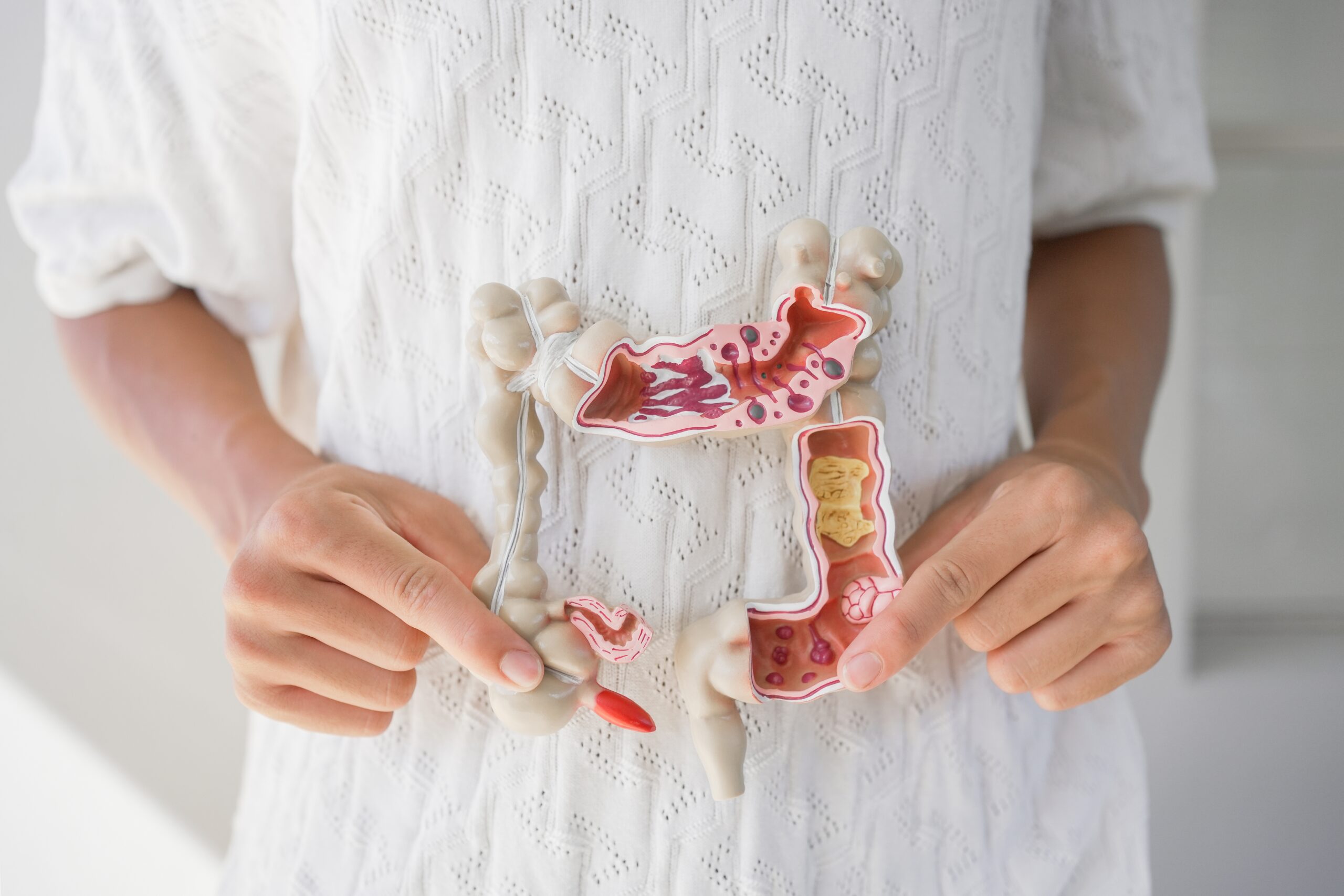
A colonoscopy is a medical procedure that allows a gastroenterologist to examine the inner lining of the entire colon and rectum using a thin, flexible tube called a colonoscope. The colonoscope is equipped with a light and a small camera that transmits real-time images to a monitor. This allows the provider to identify changes in the colon wall, detect precancerous polyps, and assess areas of concern with precision.
What Happens in the Procedure Room
Before the colonoscopic examination begins, patients receive conscious sedation to support comfort and relaxation during the procedure. The colonoscope is gently guided through the rectum and advanced through the large intestine, allowing the gastroenterologist to examine the colon wall from the inside. Carbon dioxide gas is typically used to gently inflate the colon, improving visibility. If the provider identifies polyps or abnormal tissue during the examination, they can remove the polyps and collect tissue samples at that time using instruments passed through the colonoscope. This is what makes colonoscopy a screening and intervention tool in one.
How Long Does the Procedure Take?
The colonoscopic examination itself typically takes between 20 and 45 minutes, though this can vary depending on the complexity of findings. Patients remain at the facility for a short recovery period following the procedure before being discharged with a companion. Results from the visual examination are often shared the same day, while laboratory analysis of any tissue biopsy samples may take a few days to return.
The board-certified specialists at Centers for Gastroenterology perform endoscopic procedures, including colonoscopy, at affiliated ambulatory surgery centers and hospitals, ensuring patients have access to well-equipped, professionally staffed settings for their care.
Bowel Preparation: What You Need to Know Before Your Colonoscopy
Bowel preparation is the process of clearing the colon before a colonoscopy so the gastroenterologist can see the colon wall clearly. Proper bowel prep is one of the most important factors in colonoscopy quality. If residual stool obscures areas of the colon, the procedure may need to be repeated, and small polyps can be missed. Understanding what bowel preparation involves can reduce anxiety and help you feel ready for the process.
What Bowel Preparation Typically Involves
In the days leading up to your procedure, your healthcare provider will give you specific dietary instructions. Most patients are asked to follow a low-fiber or clear liquid diet starting one to two days before the colonoscopy. The evening before the procedure, and sometimes again the morning of, you will take a bowel preparation solution designed to clear the contents of the large intestine. These solutions vary by formulation, and your provider will prescribe one appropriate to your health status.
Adequate bowel prep directly influences the adenoma detection rate, which is the percentage of colonoscopies in which at least one adenoma is found. Higher adenoma detection rates are associated with better outcomes because more polyps are identified and removed before they can progress. Patients who complete their bowel preparation thoroughly support their gastroenterologist’s ability to perform a thorough colonoscopic examination.
Tips for a Successful Bowel Prep
Staying well-hydrated throughout the preparation process is important and supports your comfort. Chilling the preparation solution, using a straw, or following it with clear broth can make drinking the required volume more manageable for most patients. If you have concerns about bowel preparation related to kidney diseases, heart conditions, or a recent myocardial infarction, discuss these with your provider well in advance. Your gastroenterologist can help tailor the preparation to your medical history.
Following your provider’s bowel prep instructions exactly, including dietary restrictions, the timing of the solution, and any guidance about your regular medications, gives you the best foundation for a successful procedure.
The Benefits of Colonoscopy for Colorectal Cancer Prevention
The case for colonoscopy as the preferred tool in colorectal cancer prevention is supported by decades of research and the recommendations of major health organizations, including the American Cancer Society and the U.S. Preventive Services Task Force. What makes colonoscopy uniquely valuable is not just its ability to detect abnormalities, but its capacity to act on them in the same session.
Detection and Removal in One Visit
When precancerous polyps are identified during a screening colonoscopy, they can be removed before they have the opportunity to develop into colorectal cancer. This is the defining advantage of colonoscopy over stool tests and virtual colonoscopy. Patients do not have to wait for a second appointment or undergo a separate procedure. The detection and the intervention happen during the same procedure, which directly contributes to preventing colorectal cancer.
Extended Screening Intervals
For patients at average risk whose colonoscopy shows no abnormalities, the next routine colonoscopy screening is typically not recommended for ten years. This long interval is possible precisely because colonoscopy examines the entire colon directly and removes polyps during the same visit. Stool tests, by contrast, require annual or biennial completion to maintain adequate screening protection. One thorough colonoscopy offers a decade of reassurance for most patients.
Capability Beyond Screening
Colonoscopy serves purposes beyond cancer screening. It is also used to evaluate unexplained symptoms such as rectal bleeding, persistent abdominal pain, significant changes in bowel habits, and iron deficiency anemia. For patients with inflammatory bowel disease, including Crohn’s disease or ulcerative colitis, regular colonoscopic examination helps monitor disease activity, assess the extent of inflammation, and take tissue samples to guide treatment decisions. Patients with a history of fulminant colitis may require more frequent monitoring. Colonoscopy may also be part of the evaluation for small intestine concerns or digestive and kidney diseases that affect bowel function.
Confidence Through Comprehensive Evaluation
The value of knowing your colon has been thoroughly examined should not be underestimated. For patients who have experienced anxiety about symptoms or who carry a family history that places them at elevated risk, undergoing colonoscopy provides definitive information that no other screening test can match at the same level of accuracy and completeness. The entire colon is visualized, abnormalities are addressed, and tissue samples document what was found.
Understanding Colonoscopy Risks and Patient Safety
As with any medical procedure, a colonoscopy carries potential risks, and understanding them helps you make an informed decision with your healthcare provider. The overall risk profile of colonoscopy is well-established, and for the vast majority of patients at average risk, the benefits of early detection far outweigh the procedural considerations. Patient safety is prioritized throughout every stage of the process at Centers for Gastroenterology.
Common and Rare Risks
The most commonly reported side effects following colonoscopy include temporary bloating, mild abdominal discomfort, and cramping as the colon recovers from the examination and the gas used during the procedure. These typically resolve within a few hours. More significant colonoscopy risks, such as perforation of the colon wall or bleeding following polyp removal, are uncommon but exist. Your gastroenterologist will discuss these risks with you before you undergo a colonoscopy, and your individual health history will inform how they apply to your situation.
Certain medical conditions may affect whether a standard colonoscopy is appropriate at a given time. Patients with a recent myocardial infarction, active fulminant colitis, or other significant medical concerns will be evaluated carefully. Your healthcare provider will review your health history to determine the right timing and approach for your procedure. This individualized assessment is a standard part of care at Centers for Gastroenterology.
The Sedation Experience
Most patients who undergo colonoscopy in the United States receive conscious sedation, which supports relaxation and comfort during the procedure. Most patients report little to no memory of the procedure itself. Sedation does require you to arrange a driver for the day of your appointment and to avoid driving or operating machinery for the remainder of the day. Your care team will provide you with specific pre-procedure instructions to follow.
Early Detection and What Colonoscopy Results Can Tell You
Early detection is the cornerstone of colorectal cancer prevention, and colonoscopy is the most direct tool available for achieving it. When colorectal cancer is detected early, at an early stage before it has spread beyond the colon and rectum, treatment outcomes are substantially more favorable. Screening for colorectal cancer before symptoms develop is what makes it possible to find the disease at this earlier, more treatable point.
Understanding Your Colonoscopy Results
After your colonoscopic examination, your gastroenterologist will share initial findings with you and your companion before you leave the facility. If polyps were removed, tissue samples will be sent to a pathology laboratory, and results typically return within a few days to a week. The type, size, and number of polyps found will inform your provider’s recommendation for a follow-up colonoscopy interval. Patients with certain adenoma findings may be advised to return in three to five years rather than ten, while others may be cleared for the standard ten-year interval.
If the examination reveals signs of colorectal cancer, your gastroenterologist will discuss the next steps with you, which may include additional imaging studies, referral to an oncologist, or surgical consultation, depending on the findings. Early-stage colorectal cancer detected through routine colonoscopy screening is far more amenable to treatment than cancer identified only after symptoms become severe.
Screening for High-Risk Patients
Patients with individual risk factors such as a family history of colorectal cancer, genetic syndromes like familial adenomatous polyposis, or a personal history of inflammatory bowel disease, including Crohn’s disease or ulcerative colitis, often require screening for colorectal cancer to begin at a younger age and with greater frequency than standard guidelines recommend. The gastroenterologists at Centers for Gastroenterology evaluate each patient’s complete picture, including family history, prior test results, symptoms, and health conditions, to develop a personalized screening plan.
For patients with gastrointestinal diseases that affect the large intestine, colonoscopy also serves as an ongoing monitoring tool. The same procedure that screens for colorectal cancer in a healthy patient can, in a patient with Crohn’s disease or ulcerative colitis, assess current disease activity, identify complications, and help guide medical treatment decisions. This dual function makes colonoscopy a foundational tool across a broad range of digestive conditions.
The Role of the Adenoma Detection Rate
The adenoma detection rate is a quality metric used to evaluate colonoscopy performance. It reflects how consistently a provider identifies adenomas, a type of precancerous polyp, during colonoscopy procedures. A higher adenoma detection rate is associated with a greater reduction in colorectal cancer incidence over time. When choosing where to undergo a colonoscopy, this is one of the reasons that provider expertise and experience in gastrointestinal endoscopy matter meaningfully. The board-certified specialists at Centers for Gastroenterology are committed to thorough, high-quality colonoscopic examination as part of every procedure.
Why Choose Centers for Gastroenterology in Fort Collins
When it comes to screening for colorectal cancer and managing complex digestive conditions, the experience and focus of your provider matter deeply. Centers for Gastroenterology is a dedicated digestive health practice in Fort Collins, CO, serving patients throughout Northern Colorado, including Loveland and Greeley. The practice focuses exclusively on gastrointestinal care, which means every procedure, every consultation, and every care decision is grounded in specialized expertise rather than divided across multiple medical specialties.
The providers at Centers for Gastroenterology are board-certified specialists with extensive training in colonoscopy procedures, endoscopic procedures, and the full spectrum of gastrointestinal diseases. They maintain affiliations with recognized professional organizations in gastroenterology and endoscopy and are committed to ongoing education and clinical excellence. Patients benefit from a team that stays current with the latest techniques and standards in digestive health care.
The practice offers a comprehensive, end-to-end approach that includes in-office consultations, advanced diagnostic testing, and minimally invasive colonoscopy procedures at affiliated ambulatory surgery centers and hospitals. This integrated model means patients move through consultation, preparation, procedure, and follow-up care within a connected network of trusted health care professionals. For patients managing chronic conditions like inflammatory bowel disease, including Crohn’s disease and ulcerative colitis, or for those navigating a new diagnosis of colorectal cancer, this coordinated approach supports consistent, expert care from a team that knows your history. Learn more about the full range of digestive health services offered at the practice.
Frequently Asked Questions About Colonoscopy and Colorectal Cancer Screening
Have questions that go beyond what this guide covers? The board-certified gastroenterologists at Centers for Gastroenterology can provide personalized guidance based on your individual situation. Contact our team or call (970) 378-1414 to schedule a consultation.
At what age should I start screening for colorectal cancer if I have no family history or symptoms?
The U.S. Preventive Services Task Force and the American Cancer Society currently recommend that adults at average risk begin colorectal cancer screening at age 45. If you have a family history, genetic syndromes, inflammatory bowel disease, or other individual risk factors, your gastroenterologist may recommend starting at a younger age. A consultation with a digestive health specialist is the best way to determine the right timing for your specific situation.
How is a screening colonoscopy different from a diagnostic colonoscopy?
A screening colonoscopy is performed on a patient without current symptoms to look for early signs of colorectal cancer or precancerous polyps. A diagnostic colonoscopy is performed when a patient has symptoms such as rectal bleeding, abdominal pain, changes in bowel habits, or abnormal results from another screening test. Both involve the same procedure and allow for tissue biopsy and polyp removal during the same visit.
Can I choose a stool test instead of a colonoscopy?
Stool tests, including the fecal occult blood test, are recognized options within colorectal cancer screening guidelines for patients at average risk. However, a positive stool test always requires a follow-up colonoscopy for direct evaluation. Stool tests also require more frequent completion compared to colonoscopy’s ten-year interval for normal results. Your healthcare provider can help you weigh the options based on your health profile, preferences, and individual risk factors.
What happens if my colonoscopy finds something abnormal?
If precancerous polyps are found during your colonoscopic examination, they are typically removed during the same procedure, and tissue samples are sent for laboratory analysis. If findings suggest colorectal cancer, your gastroenterologist will discuss the next steps with you, which may include additional imaging studies, further endoscopic procedures, or referral to other specialists. Early-stage findings identified during routine colonoscopy screening are generally more amenable to treatment, which is why early detection through regular screening is so important.
How do I know if I need a follow-up colonoscopy sooner than ten years?
The interval for your follow-up colonoscopy depends on what was found during your initial procedure. Patients who had no polyps and no significant findings may not need another colonoscopy for ten years. However, if precancerous polyps were found, particularly multiple adenomas or those with certain characteristics, your gastroenterologist may recommend a follow-up colonoscopy in three to five years. Your provider will give you specific guidance based on your results.
Is virtual colonoscopy a reliable alternative to traditional colonoscopy?
Virtual colonoscopy uses imaging studies to evaluate the large intestine and can detect colon polyps and structural changes without a scope. However, it still requires full bowel preparation, does not allow for tissue biopsy or polyp removal during the examination, and requires a traditional colonoscopy if anything abnormal is found. For most patients, particularly those at elevated risk or those with prior abnormal findings, traditional colonoscopy remains the more comprehensive and actionable option. Your gastroenterologist can help you determine which approach is appropriate for your situation.
Are there special considerations for patients with inflammatory bowel disease?
Yes. Patients with Crohn’s disease or ulcerative colitis face a higher risk of colorectal cancer over time, and their colonoscopy schedule is typically more frequent than for patients at average risk. Regular colonoscopic examination in this population helps monitor disease activity, assess the extent of gastrointestinal diseases in the colon and rectum, collect tissue samples for pathological evaluation, and guide ongoing treatment decisions. If you have inflammatory bowel disease, working with a board-certified gastroenterologist who specializes in these conditions is especially important. Explore how Centers for Gastroenterology supports patients with inflammatory bowel disease management.
What should I do if I have been putting off my colonoscopy due to anxiety or discomfort concerns?
It is very common for patients to delay colorectal cancer screening due to concerns about the procedure, the bowel preparation, or discomfort. These concerns are understandable, and you are not alone in having them. The gastroenterologists at Centers for Gastroenterology are experienced in helping anxious patients feel informed and supported before they undergo a colonoscopy. Conscious sedation means most patients have little to no memory of the procedure itself, and the bowel prep process, while requiring preparation, is manageable for most patients when they know what to expect. Reaching out to discuss your concerns is a meaningful first step.
You now have a thorough understanding of why to choose colonoscopy: benefits and results, how it compares to other available screening tests, what the bowel preparation process involves, and how early detection through regular screening for colorectal cancer can meaningfully affect outcomes. Colorectal cancer is among the most preventable of the leading causes of cancer-related deaths when screening begins at the right time and is performed by an experienced, board-certified gastroenterologist. Whether you are due for your first routine colonoscopy screening in Fort Collins or you have individual risk factors that call for a more personalized approach, the next step is a conversation with a specialist who can evaluate your full picture.
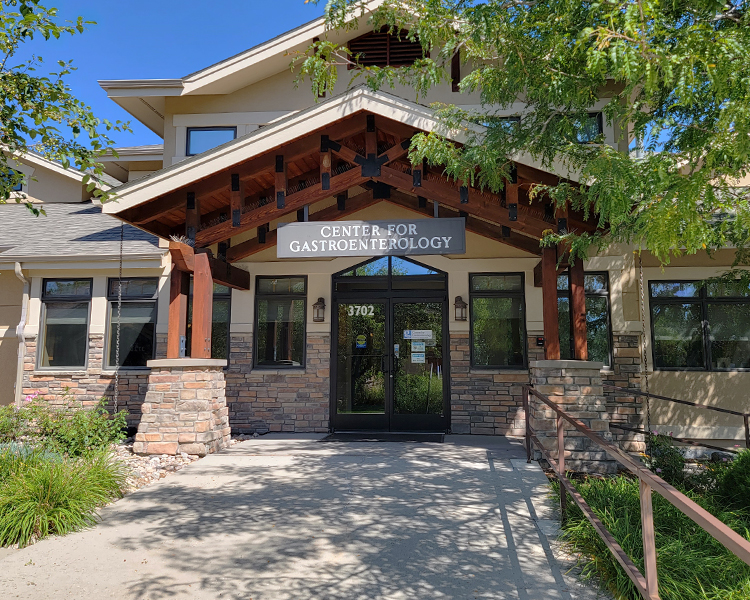
Contact Centers for Gastroenterology at (970) 378-1414 or schedule a consultation online to discuss your colorectal cancer screening plan with our experienced team. Our practice is located at 3702 South Timberline Road, Suite A, Fort Collins, CO 80525, and we proudly serve patients throughout Northern Colorado, including Loveland and Greeley.